

Learn how to treat minor injuries at home. Our guide covers effective over the counter wound care products, cleaning techniques, and when to see a doctor.

Accidents happen, from a slipped knife in the kitchen to a scraped knee on a driveway. While these injuries are a part of daily life, the way we respond to them plays a critical role in how quickly and effectively the body heals. Proper management of minor injuries not only speeds up recovery but also significantly reduces the risk of complications such as infection or excessive scarring. For the majority of minor cuts, scrapes, and burns, a trip to the emergency room is unnecessary. Instead, a well-stocked medicine cabinet and a solid understanding of over the counter wound care are all that is required to ensure a safe recovery.
Navigating the aisles of a pharmacy, however, can be overwhelming. The shelves are lined with countless sprays, ointments, and bandages, each promising faster healing or better protection. To make informed decisions, patients need to look past the marketing and understand the basic principles of wound physiology. This guide provides a detailed look at how to treat common injuries at home, distinguishing between what is medically necessary and what is optional, so you can approach your next minor injury with confidence.
Understanding Minor Wounds and Healing
Before reaching for any product, it is essential to assess the injury accurately. The skin is the body’s largest organ and its primary defense against the outside world. When this barrier is broken, the body immediately initiates a complex biological cascade to repair the damage. Understanding the type of wound you are dealing with is the first step in selecting the appropriate treatment.
Types of Minor Injuries
Not all wounds are created equal, and treating a superficial abrasion requires a different approach than a deeper laceration. Abrasions, often called scrapes, occur when the skin rubs against a rough surface, such as pavement. These wounds usually cover a large surface area but are shallow, affecting only the top layers of the skin. Because they cover a wide area, they often collect dirt and debris, making thorough cleaning the most critical aspect of care.
Lacerations, or cuts, are caused by sharp objects like knives, glass, or even paper. These can range from superficial slices that barely penetrate the skin to deeper gashes that may damage underlying tissues or blood vessels. Puncture wounds are different yet again; they are small, deep holes caused by nails or needles. Because the bottom of a puncture wound is deep within the skin, it creates a breeding ground for bacteria since the opening seals over quickly, trapping contaminants inside.
Helpful Video Guide
Sterile Wound Dressing Change – Clinical Nursing Skills | @LevelUpRN
When to Seek Professional Help
While over the counter wound care is sufficient for most minor issues, recognizing the signs of a more serious injury is vital for patient safety. Medical attention should be sought immediately if the bleeding does not stop after 10 to 15 minutes of firm, direct pressure. This could indicate a cut to a blood vessel or a clotting issue. Furthermore, if a wound is caused by a dirty or rusty object, a tetanus shot may be necessary if it has been more than five years since your last vaccination.
Deep wounds that show fat, muscle, or bone, or those with jagged edges that cannot be held together easily, may require stitches (sutures) or medical glue to heal properly and minimize scarring. also, signs of infection—such as increasing redness, warmth, swelling, or red streaks extending from the wound—warrant a visit to a healthcare provider. Patients with diabetes or compromised immune systems should also exercise extra caution and consult a doctor for even minor wounds, as their healing capacity is often reduced.
Essential Products for OTC Care
Walking through the first-aid aisle, you will encounter a variety of agents designed to clean and protect wounds. The gold standard of treatment has evolved over the years, shifting away from harsh chemicals and toward methods that preserve the delicate new cells trying to close the wound. Building an effective kit involves knowing which of these products are essential and which are optional.
Cleaning and Antiseptics
The most critical step in wound management is cleaning. Before any bandage is applied, the wound must be free of foreign debris and bacteria. For decades, hydrogen peroxide and rubbing alcohol were staples in every home. However, modern medical advice suggests caution with these agents. While they are effective at killing bacteria, they are also cytotoxic, meaning they can damage the healthy fibroblast cells necessary for tissue regeneration. Using them can actually slow down the healing process.
Instead, the consensus among medical professionals is to use copious amounts of clean, running tap water or sterile saline to irrigate the wound. The mechanical action of the fluid flushing out the injury is usually sufficient to remove dirt and bacteria. If an antiseptic is desired, products containing povidone-iodine (like Betadine) are generally less harmful to new tissue cells than alcohol or peroxide, though they should still be used sparingly and only for the initial cleaning. A mild, fragrance-free soap can also be used to clean the skin surrounding the wound, but care should be taken to avoid getting soap directly into the deep tissue, as it can cause irritation.
Topical Treatments and Ointments
After cleaning, keeping the wound moist is the key to preventing a hard scab from forming. While scabs are nature’s way of protecting a wound, healing actually occurs faster and with less scarring when the environment remains moist. There are two primary categories of products used for this: antibiotic ointments and petroleum jelly.
Antibiotic ointments, such as triple antibiotic creams, contain agents like bacitracin, neomycin, and polymyxin B. While they do help kill bacteria, they also carry a small risk of allergic contact dermatitis, particularly from neomycin. Many people develop red, itchy rashes that mimic infection, leading to confusion. For most minor wounds, plain white petroleum jelly (Vaseline) is an excellent alternative. It provides the necessary moisture barrier to encourage cell migration and prevents the dressing from sticking to the wound, but it contains no drugs that might cause an allergic reaction.
| Feature | Petroleum Jelly | Antibiotic Ointment |
|---|---|---|
| Primary Function | Moisturizing / Barrier | Moisturizing / Antibacterial |
| Risk of Allergy | Very Low | Moderate (specifically Neomycin) |
| Cost | Low | Moderate to High |
| Best For | Standard cuts, scrapes, burns | High-risk dirty wounds (short term) |
Step-by-Step Wound Care Routine
Having the right products is only half the battle; knowing the correct sequence of operations is what ensures safety. Whether you are treating a child’s scraped knee or a paper cut on your finger, following a consistent routine helps eliminate mistakes and reduces the anxiety often associated with treating injuries.
Step 1: Stop the Bleeding
Before you clean or dress anything, the bleeding must be controlled. Take a clean gauze pad, washcloth, or towel and apply firm, direct pressure to the wound. Elevating the injured area above the level of the heart can also help reduce blood flow to the site. It is important not to peek at the wound every few seconds; keep the pressure constant for at least 5 to 10 minutes. If the blood soaks through the cloth, do not remove it, as this can disturb the clotting process. Instead, place another cloth directly on top and continue applying pressure.
Step 2: Clean the Injury
Once the bleeding has subsided, it is time to clean. Rinse the wound under cool or lukewarm running water for several minutes. If there is embedded debris, such as gravel or glass, you can use tweezers that have been sterilized with rubbing alcohol to remove larger particles. Avoid scrubbing the wound deeply, as this can damage the tissue further. Wash the skin around the wound with soap and water, but ensure no soap enters the wound itself. Pat the area dry gently with a clean towel or sterile gauze; do not rub, as this can reintroduce bacteria or cause pain.
Step 3: Apply Protection and Cover
Apply a thin layer of petroleum jelly or antibiotic ointment to keep the wound moist. Then, cover the area with an adhesive bandage or sterile gauze secured with paper tape. The dressing should be snug but not tight. For minor cuts, standard adhesive bandages work well. For larger scrapes or burns, a non-stick pad is preferable to prevent the dressing from tearing away new skin cells when it is removed.
Managing Different Types of Injuries
While the general steps of cleaning and covering apply to most minor injuries, specific types of trauma require nuanced approaches. Understanding these subtle differences can prevent pain and promote better cosmetic outcomes. Over the counter wound care strategies often need to be adjusted based on the mechanism of the injury.
Burns and Sunburns
Burns are classified by depth, and first-degree burns—those that affect only the outer layer of the skin—are common household occurrences. These typically result from touching a hot pan, spilling boiling water, or spending too much time in the sun. The immediate reaction is often to apply ice, but this can actually damage the skin further by causing cold burn or vasoconstriction. Instead, run cool (not cold) water over the burn for 10 to 15 minutes to reduce the temperature of the tissue.
After cooling the area, avoid applying butter, oil, or greasy ointments initially, as these can trap heat in the skin. Aloe vera gel or a moisturizing lotion containing aloe can soothe the pain and keep the skin hydrated. For sunburns, taking over-the-counter anti-inflammatory medications like ibuprofen can help reduce swelling and redness. If blisters form, do not pop them. The fluid inside keeps the underlying skin sterile and promotes healing; opening the blister creates a portal for bacteria.
Scrapes and Abrasions
Because abrasions cover a wide surface area, they can be particularly painful and prone to “scabbing over” in an uneven way. The pain associated with scrapes is often caused by the thousands of nerve endings exposed to the air. Covering the scrape with a non-stick dressing not only protects it from dirt but also significantly reduces pain by cushioning the exposed nerves.
If the scrape is on a joint, such as the elbow or knee, use a flexible fabric bandage or a knuckle bandage that moves with the body. As the wound begins to heal, you may notice a yellowish film forming over it. This is not pus; it is exudate, a normal part of the healing process rich in protein and cells. Do not scrub this off aggressively. It is a natural biological dressing. However, if the exudate becomes thick, green, or foul-smelling, it may indicate an infection requiring professional evaluation.
Prevention and Safety
Effective wound care extends beyond the immediate treatment of an injury. It involves maintaining a safe environment and ensuring that your supplies are ready when you need them. A proactive approach to safety can prevent many common accidents, particularly in households with young children or elderly individuals.
Maintaining Your First Aid Kit
A well-maintained first aid kit is the cornerstone of home safety. It is not enough to simply buy a kit and store it in a closet; supplies expire, get used up, or can become damaged by humidity. Checking your kit twice a year is a good habit, perhaps timed with the changing of clocks for daylight saving time.
Essential Kit Checklist:
- Adhesive bandages in various sizes
- Sterile gauze pads and adhesive tape
- Antibiotic ointment and hydrocortisone cream
- Antiseptic wipes or spray
- Tweezers and scissors
- Disposable non-latex gloves
- A thermometer and pain relievers (acetaminophen, ibuprofen)
Keep your kit in a cool, dry place that is easy for adults to access but out of reach of young children. If you have specific medical needs, such as severe allergies, ensure your kit contains an epinephrine auto-injector if prescribed, and check its expiration date regularly.
Recognizing Infection Risks
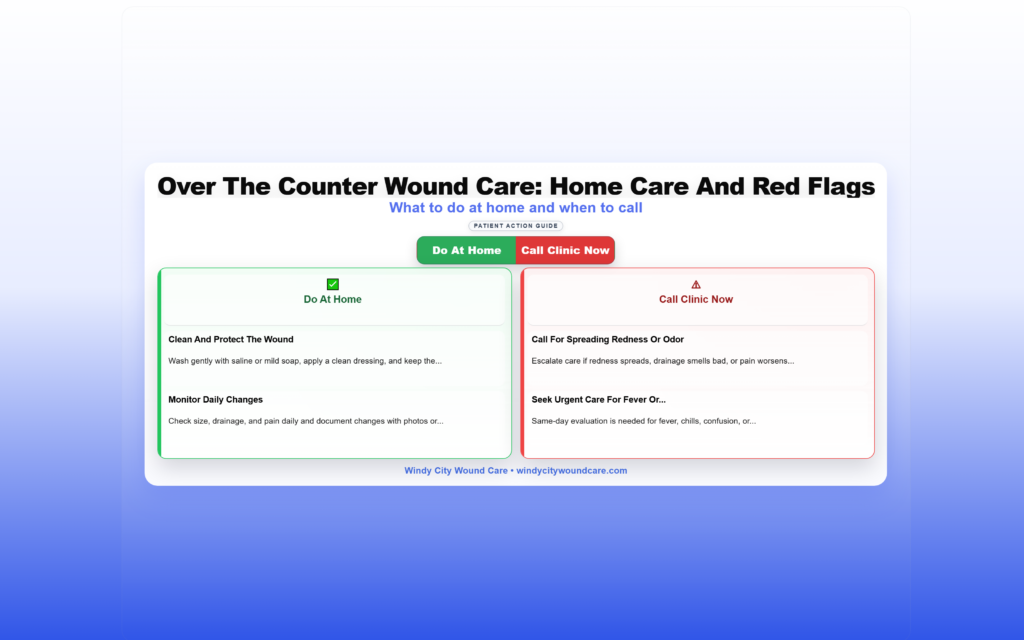
Even with excellent care, complications can arise. Infection occurs when bacteria enter the wound and multiply faster than the body’s immune system can control them. Monitoring the wound during the changing of dressings is important. Normal healing involves some redness around the edges, but this should diminish over time. If the redness expands or becomes streaks running up the limb, it is a sign that the infection is spreading.
Fever is another systemic warning sign. If you or a loved one develops a fever (usually defined as a temperature over 100.4°F or 38°C) following an injury, seek medical attention. Other concerning signs include swollen lymph nodes in the neck, armpits, or groin, and increasing pain days after the injury occurred, rather than decreasing pain. Timely intervention with prescription antibiotics can prevent a minor cut from becoming a serious systemic infection.
By understanding the principles of cleaning, moist wound healing, and vigilant monitoring, you can effectively manage the vast majority of minor injuries at home. While medical science continues to advance, the basics of over the counter wound care remain rooted in common sense and hygiene. Trust your instincts; if a wound looks wrong or feels too serious to handle at home, erring on the side of caution is always the best medical strategy.
Frequently Asked Questions
Is it better to let a wound air out or keep it covered?
Current medical advice suggests keeping wounds covered. A covered, moist environment speeds up cell regeneration and prevents scabs, which can delay healing and increase scarring risk.
Can I use hydrogen peroxide to clean a cut?
While hydrogen peroxide kills bacteria, it can also damage healthy skin cells needed for healing. It is generally better to use clean running water or saline for irrigation.
How often should I change a bandage?
You should change a bandage at least once a day, or immediately if it becomes wet or dirty. If the dressing stays clean and dry, some experts say every 24-48 hours is acceptable, but daily changes are safer for monitoring infection.
When does a cut need stitches?
A cut typically needs stitches if it is deep, shows fat, muscle, or bone, has jagged edges that cannot be held together easily, or continues to bleed after 10 to 15 minutes of firm pressure.