

Why Diabetic Wounds Behave Differently Than You Think
Diabetic wounds are a different beast than your average cut or scrape. They come with their own set of challenges because diabetes affects the body in some pretty fundamental ways. Think of it this way: a garden hose with a kink in it restricts water flow, right? Diabetes can similarly restrict blood flow, especially to your extremities. This makes it harder for oxygen and nutrients to reach a wound, slowing down the healing process and making even minor injuries more prone to infection.
High blood sugar levels throw another wrench in the works. High glucose creates a perfect breeding ground for bacteria, significantly increasing the risk of infection. This is why a small wound can quickly become a big problem for someone with diabetes. It’s not just about the wound itself; it’s about the whole body environment.
Another factor is nerve damage, also called neuropathy. Neuropathy can numb your feet, so you might not even feel a small cut or blister developing. I’ve spoken with patients who developed serious foot ulcers without even realizing it because they simply couldn’t feel them. This is why regular foot checks are so important for anyone managing diabetic wounds at home. For more on diabetic foot ulcers, check out this helpful resource: Treating Diabetic Foot Ulcers.
The need for effective diabetic wound management is a growing concern globally. We’re seeing a real rise in advanced wound care technologies, including those specifically designed for diabetic wounds. The global advanced wound care market was valued at $11.28 billion in 2024 and is projected to hit $18.04 billion by 2034. This shows just how much emphasis is being placed on specialized care for these complex wounds. You can find more info on this here.
Understanding these underlying factors is key to managing diabetic wounds effectively at home. It’s not as simple as slapping on a bandage. It takes careful monitoring, proactive care, and a good grasp of how diabetes affects your body’s ability to heal. By understanding these things, you can take control of your health and prevent minor issues from turning into serious complications.
Creating Your Personal Wound Care Command Center
Let’s be honest, your kitchen table isn’t exactly the ideal operating room for diabetic wound care. You really do want a dedicated space – your own little “command center.” Think of it like a mini first-aid station, just for you. It doesn’t need to be fancy, but being organized and clean makes a huge difference. It lowers the risk of infection and makes the whole process less stressful. Believe me, I’ve been there, fumbling for gauze while trying to manage a wound – not fun!
Essential Supplies and Smart Storage
First, gather your supplies. The essentials: sterile dressings, saline solution for cleaning, antiseptic wipes, non-stick pads, and medical tape. A small disposal container lined with a plastic bag is also key for those used dressings. Don’t feel like you need to buy the priciest brands. The store-brand saline works just as well! For keeping everything organized, a clear plastic shoebox or a rolling cart can be lifesavers, especially if getting around is a challenge.
I have a friend who swears by a shower caddy hung on her bathroom door. Keeps everything dry, organized, and easy to reach. Another friend of mine uses a small tool chest – perfect for different sized dressings and all the little bits and pieces. The trick is finding what clicks for you and your space.
Maintaining a Sterile Environment Without the Fuss
Keeping things sterile doesn’t have to be a big production. Individually wrapped dressings are a game-changer. If you’re working with larger rolls of gauze or bandages, cut what you need for each dressing change, then store the roll in an airtight container. Zip-lock bags or those plastic food storage containers work perfectly.
Also, think about having a clean, flat surface just for dressing changes. A small folding table, or even a clean tray, works wonders. Wipe it down with antiseptic wipes before and after each use. These simple steps make a huge difference in preventing infection and helping things heal. This is especially important with diabetic wounds, which can be tricky because of circulation issues and other diabetes-related factors.
Budget-Friendly Tips and Long-Term Maintenance
Diabetic wound care can get pricey. Look for ways to save without skimping on quality. Buying supplies in bulk online can often snag you a discount. Comparing prices and hunting for coupons can also save you money over time. And don’t forget to regularly check expiration dates on your supplies. Keeping a well-stocked and organized command center will make your routine so much smoother, safer, and less stressful. It’s all about making this healing journey as easy as possible.
Before we go any further, let’s talk about supplies. I’ve put together a comparison table highlighting the essential items, some cost-effective alternatives, and where you can usually find them. This should give you a good starting point for building your own wound care kit.
Essential Diabetic Wound Care Supplies Comparison
| Supply Category | Essential Items | Cost Range | Alternative Options | Where to Buy |
|---|---|---|---|---|
| Cleaning | Saline Solution | $5-$15 | Sterile Water | Pharmacies, Grocery Stores, Online Retailers |
| Antiseptic Wipes | $3-$10 | Hydrogen Peroxide (diluted) | Pharmacies, Grocery Stores, Online Retailers | |
| Dressings | Sterile Gauze Pads | $5-$20 | Non-Adherent Pads | Pharmacies, Medical Supply Stores, Online Retailers |
| Non-Stick Pads | $8-$25 | Pharmacies, Medical Supply Stores, Online Retailers | ||
| Transparent Film Dressings | $10-$30 | Pharmacies, Medical Supply Stores, Online Retailers | ||
| Securing | Medical Tape | $4-$10 | Hypoallergenic Tape | Pharmacies, Grocery Stores, Online Retailers |
| Other | Disposable Gloves | $5-$15 | Pharmacies, Grocery Stores, Online Retailers | |
| Small Disposal Container | $2-$5 | Any sealable container | Grocery Stores, Pharmacies |
This table gives you a quick overview of what you’ll need. Remember, prices can vary, so it’s always a good idea to shop around. Don’t be afraid to explore different options and find what works best for your budget and your specific needs. Taking the time to set up your space and gather your supplies makes a world of difference in managing diabetic wounds at home.
The Daily Routine That Actually Fits Your Life

Let’s ditch the medical textbooks and have a real talk about diabetic wound care at home. This isn’t about pristine hospitals; it’s about figuring out a routine that works with your life. Whether you’re juggling work, family, or just trying to keep things somewhat normal, we can make this work.
Building Your Personalized Wound Care Routine
The magic word here is personalization. Forget one-size-fits-all; your routine should be as unique as you are. First things first, get to know your wound. Is it on your foot? Leg? Somewhere else entirely? The location matters because it affects how you’ll handle cleaning and dressing changes.
Think about your energy levels too. If you’re wiped out by evening, don’t plan your most involved wound care for then. Mornings might be better when you’re fresh. Break the process into smaller, easier chunks. Maybe cleaning one day, dressing change the next. Consistency is key, not achieving some impossible standard of perfection. And speaking of consistency, did you know consistent home wound care can really boost healing? Check out this article on how home wound care speeds up recovery.
Mastering the Basics: Cleaning and Dressing
Cleaning is essential, but be gentle! Saline solution is your new best friend. Think of it as a gentle rinse, not a vigorous scrub. Pat dry with sterile gauze – no rubbing!
Dressing changes can seem intimidating at first, but you’ll get the hang of it. Non-stick pads are a game changer; they keep the dressing from sticking to the wound. Secure it with medical tape, but don’t go too tight. Protect the wound, yes, but you don’t want to cut off circulation.
It’s interesting to note that the need for diabetic wound care is increasing. The market was valued around $2.18 billion in 2024 and is projected to hit $3.11 billion by 2029. This highlights the growing demand for convenient and effective solutions like home care. Learn more about this market growth here.
Adapting Your Routine to Real-World Challenges
Life happens. Travel, unexpected events, or even just a busy day can throw off your routine. Plan ahead! Pack extra supplies when you’re on the go. Simplify your routine when necessary, focusing on the essentials. And don’t be afraid to ask for a hand. A friend, family member, or home health aide can be a huge help.
Assessing Your Progress and Seeking Support
Learning to check your own wound is empowering. Look for good signs, like new tissue growth (it might look pink or red). Notice any unusual smells or more drainage than usual? Those could be signs of infection, so call your doctor. Never hesitate to reach out to your healthcare team with any questions or concerns. They’re there to support you. Remember, managing diabetic wounds at home is a marathon, not a sprint. It’s about discovering what works for you and adjusting as needed. By creating a sustainable routine and staying informed, you can effectively manage your wounds and feel better overall.
Reading the Warning Signs Before Crisis Hits
Diabetic wound care at home is a lot about being observant. You’re your own first line of defense, and a keen eye can catch those small shifts that signal trouble before it really takes hold. It’s like tending a garden – spot a pest early, and you can save the plant. Same with wounds. Early attention prevents major headaches down the road.
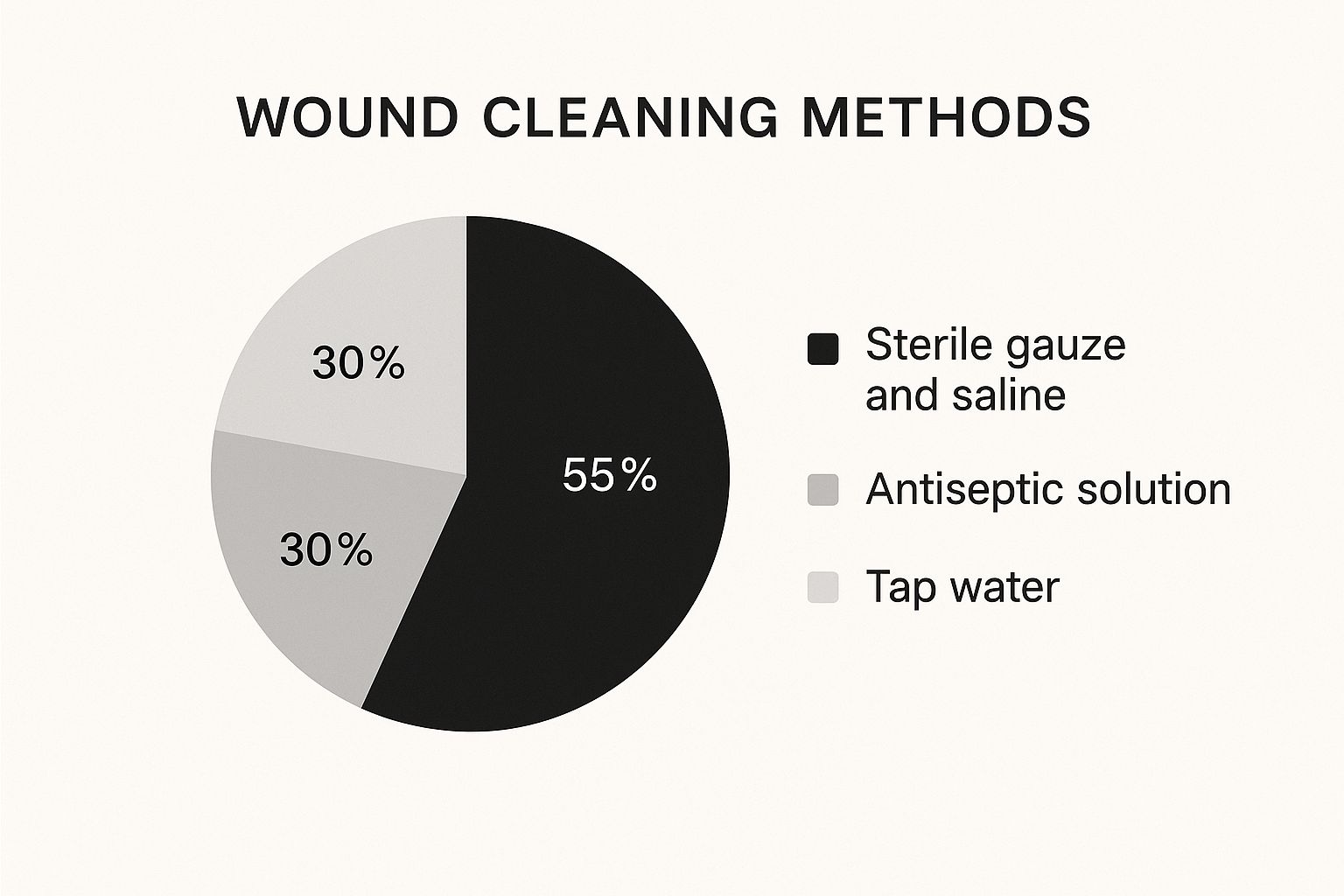
This image perfectly captures the care needed when cleaning a diabetic foot wound. Sterile gauze, saline solution, a gentle touch – it all matters. Even seemingly minor wounds demand this level of attention and precision in diabetic wound care.
Recognizing Subtle Infection Signs
Infection is the biggest concern with diabetic wounds, and the tricky thing is, the signs can be subtle. Redness and swelling? Sure, those are obvious. But what about increased pain, a change in the wound’s odor, or more drainage than usual? These are quieter clues that something might be off. Even a low-grade fever can be a sign. Don’t brush these off. They can escalate quickly.
I had a patient once who noticed a slightly fruity smell coming from her wound. It wasn’t strong, but it was new. She smartly checked in with her doctor, and sure enough, it was a mild infection. Catching it early prevented a much larger problem. That’s the power of observation.
Documenting Wound Progress: Your Healing Journal
Keeping a wound journal is incredibly helpful. Jot down notes about the size, color, and any drainage. Snapping pictures can be surprisingly useful, too. This isn’t just for you; it’s valuable information for your doctor. It helps them track progress and spot potential issues you might not notice.
Communicating Effectively with Your Medical Team
Talking to your doctor doesn’t need to be intimidating. Just be clear and specific. Saying “It hurts more” is less helpful than “The pain has increased from a 3 to a 7 on a scale of 1 to 10 over the past two days.” Share those wound journal entries and pictures, too. The more information they have, the better equipped they are to help you.
Knowing When to Escalate Care
Knowing your limits is essential. Is the wound getting bigger? Is the pain becoming unbearable? Is the redness spreading? These are all signs to call your doctor. Don’t wait for things to get drastically worse. Early intervention is key.
Trust your instincts. If something feels wrong, it probably is. It’s always better to be safe than sorry, especially when it comes to diabetic wounds. You’re a vital part of your healthcare team. Your observations and insights are invaluable. By being actively involved in your care, you’re taking charge of your health and giving yourself the best chance for a smooth recovery.
Let’s talk about some specific warning signs to look out for. The table below provides a handy guide to help you distinguish between normal healing and signs that need immediate medical attention.
Wound Assessment Warning Signs Guide
Visual guide to normal healing progression versus concerning changes that require medical attention
| Observation Area | Normal Healing Signs | Warning Signs | Action Required | Timeline |
|---|---|---|---|---|
| Wound Size | Gradually decreasing | Increasing in size | Contact your doctor | After the first week |
| Wound Color | Pink or light red granulation tissue | Dark red, black, or yellow discoloration | Contact your doctor immediately | Any time |
| Drainage | Small amount of clear or slightly yellow fluid | Thick, pus-like, foul-smelling drainage | Contact your doctor immediately | Any time |
| Pain Level | Gradually decreasing | Increasing pain, new or worsening pain | Contact your doctor | After the first few days |
| Surrounding Skin | Pink, warm to the touch | Red, hot, swollen, tender to the touch | Contact your doctor immediately | Any time |
| Odor | No foul odor | Foul or unusual odor | Contact your doctor immediately | Any time |
This table gives you a good starting point. Remember, consistent monitoring is essential for effective diabetic wound care. If you notice any of the warning signs, contact your healthcare provider right away. Early intervention can prevent serious complications.
Living Fully While Protecting Your Healing

Taking care of a diabetic wound at home doesn’t mean putting your life on hold. It’s all about making smart decisions that protect your wound while you keep enjoying the things you love. Let’s talk about how to find that balance.
Staying Active and Engaged During Healing
Your body is in healing mode, not hibernation. Plenty of activities are still on the table. Think walking, reading, or spending time with friends. The trick is modifying things a bit. Love to garden? Try sitting on a stool instead of kneeling. Big swimmer? Make sure you have a waterproof dressing.
Exercise is a cornerstone of managing diabetes, but you’ll need to adjust your routine when you’re dealing with a wound. A chat with your doctor or a physical therapist can point you toward safe exercises that won’t strain the wounded area. They can help you stay active without jeopardizing your healing.
Hygiene Practices That Make a Real Difference
Handwashing is your first line of defense. Wash thoroughly before and after touching your wound. Keeping the wound clean and dressed is fundamental. It may seem obvious, but it’s the best way to prevent infection. This also means fresh socks and shoes every day, especially if your wound is on your foot. For more information on the importance of home health care, check this out.
It’s interesting to note that the Asia Pacific region is a major focus for diabetic wound care because of its large diabetic population. India, for instance, has around 77 million people living with diabetes, resulting in a higher prevalence of diabetic foot ulcers. You can learn more about these geographic trends in diabetic wound care here.
Managing Setbacks and Involving Loved Ones
Sometimes, setbacks happen. Don’t freak out. A little extra pain or a bit more drainage isn’t necessarily a sign of something serious. Definitely check in with your doctor if you’re worried, but try not to jump to the worst-case scenario. Building resilience is part of the healing journey.
Don’t hesitate to lean on your support system. Family and friends can help with dressing changes or running errands, giving you more time and energy to focus on healing. Sometimes, just having someone to talk to can make all the difference. Sharing the load makes it easier for everyone.
Balancing Vigilance with Living
Caring for a diabetic wound at home takes work, but it shouldn’t consume your life. It’s about integrating these practices into your routine, not letting them isolate you. By making smart choices, adapting your activities, and accepting help when you need it, you can protect your wound and keep living your life. It’s a journey, not a sprint, and you don’t have to go it alone. Remember, enjoying life is a crucial part of staying healthy, both physically and mentally. This balance is key for your overall well-being.
Knowing When to Call in Professional Backup
Taking charge of your diabetic wound care at home is empowering, but it’s just as important to know when to reach out for professional help. Sometimes, even the best home care has its limits. Let’s talk about recognizing those signs.
Recognizing When Home Care Isn’t Enough
Imagine you’ve been diligently following your home care routine, but the wound just isn’t getting better. Maybe it’s even looking worse. Increasing pain, redness spreading out from the wound, a change in how the wound smells, or a thick, pus-like discharge – these are all serious red flags. Don’t wait; call your doctor right away. These could be signs of an infection that needs immediate medical attention.
Think about the wound’s size and depth, too. If it’s deep, goes down to the joints or tendons, or shows no signs of healing after a couple of weeks of home care, it’s definitely time to get it checked by a professional. They can properly assess the wound and see if you need more advanced treatment.
For some extra helpful tips on wound care at home after you leave the hospital, check out this guide: Effective Post-Discharge Wound Care At Home. It’s full of practical advice and insights to help you on your healing journey.
Preparing for Medical Appointments and Asking the Right Questions
Before you head to your appointment, gather up your wound journal, any photos you’ve taken, and a list of your current medications. Jot down your questions ahead of time so you don’t forget anything during the appointment. Don’t hesitate to ask about different treatment options, potential complications, and what to expect during the healing process. It’s your health, and you deserve to be informed.
Ask about the different specialists who might be involved in your care. You might work with a wound care specialist, a podiatrist (if the wound is on your foot), or an infectious disease specialist if there’s an infection. Understanding their roles can help you feel more confident in your treatment plan.
Navigating Insurance and Finding Quality Care
Insurance coverage for diabetic wound care can sometimes be tricky. Call your insurance provider to understand what your plan covers, like home health visits, specialist consultations, and advanced therapies. Knowing what’s covered can save you unexpected costs and stress down the line.
Finding a qualified wound care specialist in your area might take a bit of research. Ask your primary care doctor for recommendations, or look in online directories. Look for specialists with board certification and experience treating diabetic wounds specifically.
Maintaining Continuity Between Home and Professional Care
Getting professional treatment doesn’t mean you have to abandon your home care routine. Your home care practices are still vital for supporting healing between appointments. Talk to your healthcare team about how to best combine your home routine with their prescribed treatments for a consistent approach. Open communication is essential for the most effective care.
By being proactive and informed, you can confidently handle the complexities of diabetic wound care. Remember, your observations and insights are important. Working as a team with your healthcare providers ensures you receive the best possible care and sets you up for a successful recovery. This collaborative approach empowers you to actively participate in your healing journey and manage your health effectively.
Building Long-Term Confidence in Your Healing Journey
Thinking about long-term wound care isn’t just about fixing what’s happening now; it’s about giving you the skills to handle any future bumps in the road and really take charge of your health. We’ve covered a lot, so let’s make these skills stick and build a plan that works for you.
Setting Realistic Goals and Tracking Your Progress
Healing takes time. Especially with diabetic wounds. Think of it like a marathon, not a sprint. Set small, achievable goals. Forget trying to be completely healed in a week. Focus on smaller wins like less redness or better drainage. Keep a little notebook, or use a phone app – whatever works for you – to track your progress. Note down changes in size, color, and how much it hurts. Even tiny improvements can be surprisingly encouraging.
This screenshot from the American Diabetes Association shows how important regular foot care is in preventing complications. It’s a good visual reminder of why daily checks and being proactive with at-home care are so key.
Creating Sustainable Practices and Troubleshooting Setbacks
Let’s be real – life gets in the way. Work deadlines, family commitments, or just plain exhaustion can mess with even the best routines. Build some wiggle room into your plan. Can’t manage a full dressing change today? Just cleaning the wound is a win. Something is always better than nothing.
What happens when you hit a snag? Don’t panic. A little more pain or drainage can happen. Take a deep breath and assess the situation. Is it a small hiccup or something more serious? If you’re not sure, call your doctor. Don’t hesitate. These real-world examples of successful wound care treatment might also give you some perspective.
Maintaining Motivation and Celebrating Small Victories
Wound care can be a long journey. Some days it might feel like you’re not making any progress at all. That’s where your mindset makes all the difference. Focus on what is working. Celebrate those small wins. Did the redness go down a tiny bit? That’s a victory! Managed a full dressing change by yourself? Give yourself a pat on the back! Remember, every step forward, no matter how small, is progress.
Embracing Your Expertise and Owning Your Health
You’ve learned so much about caring for diabetic wounds, from setting up your space to spotting the warning signs. You’re not just a patient anymore; you’re an active participant in your own health. Own that knowledge and trust your gut. You know your body better than anyone.
You now have some powerful tools in your wound care toolkit. Use them. Stay aware of how things are progressing. Keep learning. You have more control over your healing than you might think. And remember, managing diabetic wounds isn’t a chore; it’s a chance to put your health and well-being first.